A Walton County vacation home can look perfect in photos, but the wrong details can make ownership much harder than expected. If you are dreaming about beach time, rental income, or a place your family can enjoy for years, it helps to look beyond the view. Before you buy, you should understand how beach access, insurance, upkeep, property type, and rental rules can shape your experience. Let’s dive in.
Start With Beach Access
In Walton County, "near the beach" does not always mean easy beach days. The county has 26 miles of shoreline and 16 distinct beach neighborhoods, so two homes with a similar map pin can offer very different day-to-day convenience.
A key first question is not just how close the home is to the Gulf. It is how practical the nearest beach access point really is for you, your family, and your guests. Some access points have parking, restrooms, ADA access, and pavilions, while others have no parking at all.
Ask What the Walk Feels Like
A short walk on paper can feel very different in real life. If you are carrying chairs, a cooler, umbrellas, or helping small children, the route matters just as much as the distance.
You will want to look at whether the access path is simple and usable, not just technically nearby. A condo across from a busy public access with parking can feel very different from a house that is closer to the shoreline but less convenient to use.
Consider the Full Lifestyle
Walton County is about more than beach frontage. The area also offers more than 200 miles of hiking and biking trails, four state parks, and 15 rare coastal dune lakes, which is part of why many buyers look closely at overall lifestyle access.
If your goal is a second home you will actually use often, think about how the property connects to the activities you enjoy most. Beach access, trail access, and general ease of getting around can all affect long-term satisfaction.
Check Flood Risk and Insurance Early
Coastal property ownership starts with understanding risk. Before you fall in love with a home, check flood risk using Walton County flood information tools and FEMA mapping resources referenced by the county.
This step matters even if a property is not in a high-risk flood zone. Walton County notes that flooding can still happen from tropical storms, heavy rain, and runoff.
Know What Insurance May Be Separate
Many buyers are surprised to learn that flood insurance is often separate from a standard homeowners policy. Walton County also notes that windstorm or hurricane coverage may be separate or may come with higher deductibles.
That means your monthly cost picture may look different from what you expected at first glance. It is smart to review coverage options early so you can budget for the true cost of ownership.
There May Be a Flood Insurance Discount
Walton County has a Class 6 CRS rating, which provides a 20% discount on new or renewing flood insurance policies for properties in Special Flood Hazard Areas. That can be meaningful, but it should be viewed as one part of the larger insurance picture.
You still need to understand what is covered, what is excluded, and what your deductibles may be. In a coastal market, small details in a policy can have a big impact after a storm.
Plan for Salt Air, Humidity, and Repairs
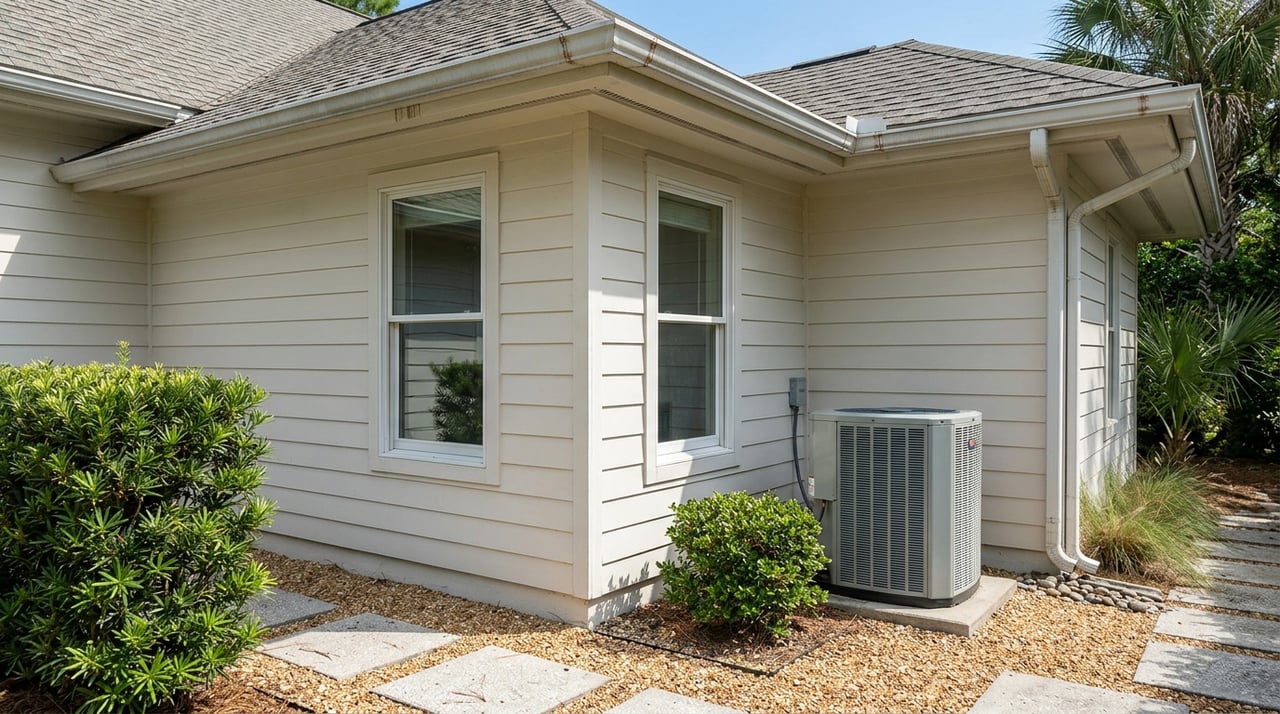
A beach home has a different maintenance profile than an inland property. Salt air, humidity, sand, and storm exposure can all add wear over time, especially on exterior materials, metal components, and interior finishes.
From a practical standpoint, durable and easy-to-clean materials often make more sense than delicate finishes. If you are buying a second home or a property you may rent, low-maintenance choices can save time, money, and stress.
Look at the Home Through a Long-Term Lens
This is where construction-minded due diligence helps. Instead of focusing only on surface appeal, pay attention to how the home is built, what materials were used, and how easy those materials will be to maintain in a coastal environment.
Repairs after storms can also come with added steps. Walton County notes that structural, electrical, plumbing, and roofing work generally requires permits, especially in flood zones.
Understand Limits on Future Work
If you are buying with plans to renovate or add features later, check for location-based restrictions before closing. In some cases, properties near the beachfront or dune line may be affected by Florida coastal construction control line rules.
That can matter for decks, additions, seawalls, and other exterior work. If a home's future potential is part of your reason for buying, make sure that potential is realistic.
Choose the Right Property Type
Not every Walton County vacation home works the same way. A condo, townhome, and single-family home can each fit different goals, budgets, and maintenance preferences.
The right choice often depends on how much hands-on responsibility you want, whether you plan to rent the property, and how comfortable you are with association rules and shared decision-making.
Condos Offer Convenience With More Document Review
Condos can be appealing because exterior maintenance is often more association-driven. But that convenience comes with important due diligence.
Florida law requires resale condo buyers to receive key documents, including the declaration, bylaws, rules, annual financial statement, annual budget, any applicable milestone inspection summary, the most recent structural integrity reserve study, any turnover inspection report, and the FAQ document. In many resale transactions, buyers also have a 7-day voidability period after receiving the required documents.
This matters because dues, reserves, and possible special assessments can shape the true cost of ownership. When you buy a condo, the governing documents and budget are part of the property.
Townhomes Can Vary More Than You Expect
Townhomes do not all follow the same model. Some operate more like condos, while others function more like HOA-governed single-family properties.
That is why you should review who handles the roof, exterior paint, landscaping, parking, and rental rules. In a coastal area, those details carry extra weight because upkeep and insurance can be more expensive than inland.
Single-Family Homes Give You More Control
A single-family home near the beach can offer more privacy and flexibility. It can also give you more control over how you use and maintain the property.
But with that control comes full responsibility for maintenance, repairs, and storm recovery. If the home is in a Special Flood Hazard Area, Walton County states that a development order and building permit are required before construction starts.
If You Want Rental Income, Treat It Like a Business
Many buyers hope their vacation home will help offset costs through short-term rentals. That can be a valid goal, but in Walton County it is important to understand that short-term renting involves rules, taxes, and ongoing responsibilities.
The biggest mistake buyers make is assuming they can "figure it out later." Before you buy, you should know whether the property's documents allow rentals and what local requirements will apply.
Registration and Taxes Matter
Walton County requires annual registration for short-term vacation rentals. Current county guidance also lists state and local prerequisites, including Florida Department of Revenue registration, DBPR licensing, tourist development tax registration, and county registration.
Operating without registration can trigger a $500-per-day penalty. That is a strong reason to confirm the rules before you close, not after.
Short-term stays of 6 months or less are also subject to state sales tax and local transient rental taxes. Walton County currently has two tourist development tax districts, with South Walton at 5% and North Walton at 3%.
Do Not Assume a Platform Covers Everything
If you plan to list on a major rental platform, do not assume the platform will handle every local tax obligation for you. Walton County's clerk specifically warns owners not to assume Airbnb, VRBO, or HomeAway will remit county tourist development tax on their behalf.
This is one reason a rental strategy should be part of your purchase decision from day one. A home that looks like a strong rental on paper may come with operational details you need to be ready for.
Local Rules Affect Daily Operations
Walton County requires short-term rentals to have a local responsible party available 24/7 who can respond within one hour. Rental agreements must also address occupancy, parking, trash, and evacuation compliance.
The county also states that short-term rentals must remain residential in use. They cannot be advertised as event venues, wedding locations, corporate gathering locations, or pop-up retail spaces.
Do Not Overlook Homestead Questions
If you are comparing a primary home, second home, and rental strategy, homestead status should be part of the conversation. Walton County's property appraiser ties homestead exemption to a property's primary residence.
The county's short-term rental FAQ also notes that an owner-occupied homesteaded residence can be exempt from short-term vacation rental certification. That means your intended use can affect both your tax status and your compliance steps.
A Smarter Walton County Buying Checklist
Before you move forward on any Walton County vacation home, make sure you can answer these questions clearly:
- Where is the nearest practical beach access point?
- Does that access have parking, restrooms, or ADA access?
- Is the property in a flood zone or evacuation area?
- What insurance will you likely need beyond standard homeowners coverage?
- How much maintenance will the home's materials and finishes require?
- If it is a condo or townhome, what do the governing documents say about dues, reserves, maintenance, and rentals?
- If you plan to rent it, what are the local registration, tax, and operational requirements?
- If you want to renovate later, are there permitting or coastal construction limitations?
The right vacation home is not just attractive today. It should also fit your lifestyle, your budget, and your long-term plan.
Buying along the Emerald Coast should feel exciting, but it should also feel informed. With the right guidance, you can look past the glossy listing photos and choose a property that truly works for the way you want to own, use, and enjoy it. If you want practical insight from someone who understands both real estate and construction, connect with Johnnette Acree.
FAQs
What should I check first when buying a vacation home in Walton County?
- Start with practical beach access, flood risk, insurance needs, property type, and whether the home's rules match your intended use.
How important is beach access for a Walton County vacation home?
- Beach access is very important because nearby properties can offer very different experiences depending on parking, walkability, amenities, and likely crowd levels.
What insurance should I expect for a Walton County beach home?
- You may need separate flood insurance, and windstorm or hurricane coverage may also be separate or carry higher deductibles than a standard homeowners policy.
What should I review before buying a Walton County condo?
- Review the condo documents, budget, financial statements, reserve information, inspection summaries, and any history that could point to future special assessments.
Can I use a Walton County vacation home as a short-term rental?
- Possibly, but you should verify that the property allows rentals and make sure you understand county registration, tax, licensing, and operational requirements before buying.
Does Walton County require registration for short-term vacation rentals?
- Yes. Walton County requires annual registration, and operating without registration can lead to a $500-per-day penalty.
Do rental platforms collect Walton County tourist taxes for vacation homes?
- You should not assume they do, because Walton County warns owners not to assume platforms like Airbnb, VRBO, or HomeAway will remit county tourist development tax on their behalf.
How does homestead status affect a Walton County vacation property?
- Homestead exemption is tied to a primary residence, and an owner-occupied homesteaded residence may be exempt from short-term vacation rental certification under current county guidance.