Wondering what actually helps your Santa Rosa County home sell smoothly and what just wastes time and money? If you are getting ready to list, it is easy to feel stuck between big renovation ideas, small repair lists, and paperwork you hope will not come back to haunt you. The good news is that a smart pre-sale plan usually comes down to a few practical priorities that help buyers feel confident from the start. Let’s dive in.
Start With Santa Rosa County Realities
Preparing a home for sale in Santa Rosa County is not exactly the same as prepping a home in an inland market. Local buyers often pay close attention to wind, water, drainage, roof condition, and signs of past moisture problems because these issues can affect inspections, insurance conversations, and peace of mind.
Santa Rosa County identifies flooding as a primary emergency concern along rivers, bays, and tidally affected shoreline areas. The county’s Local Mitigation Strategy reports that 14.1% of parcels are in the 100-year, 500-year, or velocity flood zone, which makes flood-zone awareness an important part of pre-listing preparation.
If your home is older, buyers may be especially alert to grading, drainage, and foundation-adjacent moisture issues. County guidance notes that older homes may not have been built to current lot-grading and finished-flood-elevation standards, so even basic exterior maintenance can carry more weight than you might expect.
Focus on Repairs Buyers Notice
If you are selling within the next year, you usually do not need a dramatic remodel. National resale data from Zonda’s 2025 Cost vs. Value report shows exterior improvements consistently outperform many discretionary interior upgrades, with exterior replacement projects dominating the top-return list.
In practical terms, that means your best pre-sale investment is often simple, visible, and maintenance-focused. Buyers tend to respond well when a home looks cared for before they ever walk through the front door.
Exterior updates worth doing
A few targeted tasks can improve first impressions and reduce buyer concerns:
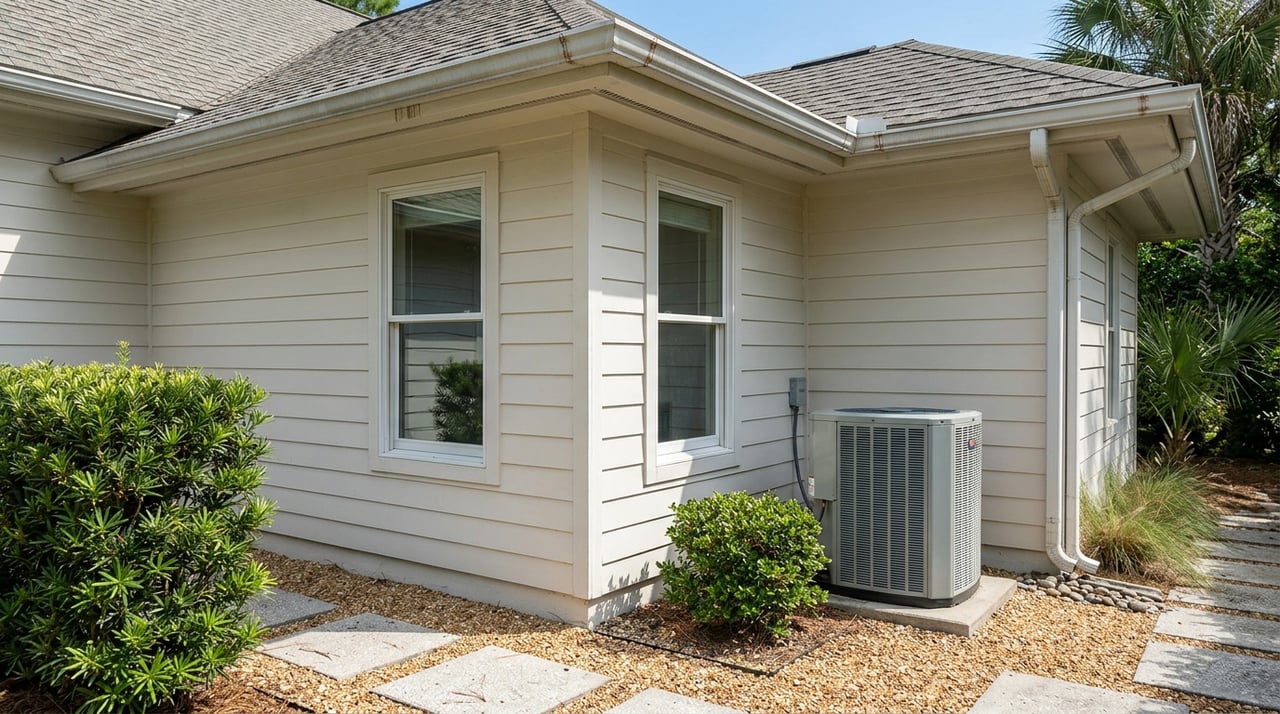
- Pressure-wash siding, walkways, porches, and driveways
- Clean gutters and downspouts
- Trim landscaping away from the house
- Repaint or touch up peeling or worn areas
- Repair obvious wood rot
- Address roof stains or signs of leaks
- Fix visible drainage issues around the home
These steps matter for more than appearance. UF/IFAS and EPA guidance both emphasize moisture control, drainage away from the foundation, and limiting wood-to-ground contact as part of termite prevention and general home protection.
Interior updates to approach carefully
A full kitchen or bath remodel usually is not the first place to spend money if your goal is a smooth sale. Unless an interior project solves a defect, addresses safety, or helps avoid an inspection or insurance issue, it may not give you the return you want before listing.
Instead of chasing trends, focus on clean, functional, and well-maintained spaces. Fresh paint, minor touch-ups, working fixtures, and a clutter-free layout often do more for buyer confidence than a costly renovation done right before the market.
Fix Moisture Problems Before Listing
In Santa Rosa County, moisture issues tend to raise red flags quickly. Water staining, mold, soft wood, active leaks, and poor drainage can make buyers wonder what else they might find during inspections.
The Florida Department of Health notes that visible mold or water staining usually points to an underlying moisture problem. If mold returns quickly or spreads, cleaning alone is not enough. The source of the moisture needs to be fixed.
Common moisture trouble spots
Before you list, take a careful look at:
- Ceiling stains under rooflines
- Soft or stained drywall
- Around windows and doors
- HVAC drain pans and condensate lines
- Water heater areas
- Under sinks and around plumbing fixtures
- Exterior grading near the foundation
- Crawlspace or garage moisture signs, if applicable
This is where practical, contractor-minded advice can make a real difference. A small leak or clogged drainage line may seem minor now, but it can become a much bigger issue once a buyer’s inspector documents it.
Pay Special Attention to the Roof
Roof condition is one of the biggest items that can shape how smoothly your sale moves forward. In Florida, insurance-style inspections often focus heavily on the roof, and buyers may ask questions about age, damage, leaks, and repair history early in the process.
Citizens’ current 4-point inspection form asks about roof age, the last roofing permit, visible roof damage, and signs of leaks. If your roof has missing shingles, repeated patching, soft decking, or interior staining, it is wise to address those concerns before your home goes live or price the home with those issues in mind.
Santa Rosa County also requires a permit for roof replacement work, along with three inspections tied to decking and water-barrier work, shingle nailing, and final inspection. If you have replaced the roof, gather the permit and final inspection records now so you are not scrambling later.
Check the Four Big Inspection Systems
In this market, four systems tend to draw the most attention during insurance-style inspections: roof, electrical, plumbing, and HVAC. Even if a buyer orders a full home inspection, these systems often become the center of follow-up questions and repair negotiations.
Here is a simple checklist to help you get ahead of common issues.
Roof
- Missing or damaged shingles
- Signs of leaks or ceiling staining
- Evidence of repeated patching
- Missing permit records for replacement work
Electrical
- Obvious hazard conditions
- Older wiring types flagged on 4-point inspections
- Unsafe panels or visible defects
Plumbing
- Active leaks
- Corrosion
- Water heater issues
- Wet spots or signs of past water intrusion
HVAC
- System not cooling or heating properly
- Blocked drain pans or condensate lines
- Moisture buildup near the unit
- Deferred maintenance that affects operation
Getting in front of these items can reduce surprises and make buyer negotiations more manageable.
Do Not Ignore Termite Risks
Termites and wood-destroying conditions are a real concern in Florida, and buyers know it. A home that shows excess moisture, wood debris near the structure, or vegetation crowding the exterior can trigger concern even before a formal inspection happens.
UF/IFAS recommends minimizing moisture, removing food sources, and making the home easier to inspect. That includes avoiding wood-to-ground contact, removing debris, keeping vegetation away from foundation walls, and helping water flow away from the house.
EPA guidance supports the same general approach. Fix leaks promptly, keep the foundation dry, and avoid storing firewood or wood debris next to the home.
Gather Permits and Paperwork Early
One of the easiest ways to reduce stress during a sale is to organize your records before listing. In Florida, missing permit information or open permits can create delays, extra questions, and avoidable buyer hesitation.
Santa Rosa County requires permits for new construction, structural changes, footprint changes, and many categories of mechanical, plumbing, gas, and electrical work. The county also warns that hiring unlicensed contractors can lead to cease-and-desist orders and fines, which makes documentation especially important if you have made repairs or improvements over the years.
Helpful documents to collect
Try to gather:
- Roof permits and final inspections
- Paid invoices for major repairs or replacements
- HVAC service or replacement records
- Plumbing repair records
- Documentation for hurricane-mitigation features
- Permits for additions, remodels, or structural work
- Records for waterfront or coastal structures, if applicable
If your home has a dock, pier, seawall, retaining wall, or similar coastal feature, check that the permit trail is complete. Santa Rosa County says these projects require zoning approval and a building permit before construction begins, and some are subject to shoreline-protection rules.
Be Ready for Disclosure Questions
Florida sellers are expected to disclose known facts that materially affect a property’s value and are not readily observable. That is especially important when the topic is flooding, unpermitted work, open permits, code issues, or improvements that may not meet local flood-related standards.
The current Florida REALTORS® residential seller disclosure asks direct questions about unpermitted improvements, active permits that have not been closed by final inspection, code-enforcement issues, and whether certain improvements are below base flood elevation or violate local flood guidelines. That means it is better to verify your facts early than guess later.
Florida law also now requires a separate flood disclosure at or before contract execution in residential sales covered by the statute. The form asks whether you have filed flood-damage claims or received federal flood-related assistance.
Verify flood information before listing
Before your home hits the market, confirm:
- The property’s flood zone
- Any applicable surge or evacuation-zone details
- Whether you have prior flood-damage records or claims information
- Whether improvements could raise flood-related disclosure questions
Santa Rosa County GIS maintains flood-zone, surge-zone, and evacuation-zone layers, and FEMA’s Flood Map Service Center is the official public source for NFIP flood hazard information.
Choose Prep That Supports a Smooth Sale
If you are trying to decide where to spend time and money, think like a buyer walking up to your home for the first time. They want to see a property that feels maintained, dry, documented, and honest.
That usually means your best strategy is not a flashy makeover. It is a clean exterior, a solid roof story, working major systems, repaired moisture issues, organized paperwork, and clear disclosure planning.
This is where local market knowledge and construction fluency can work together. When you know which items are cosmetic and which ones could affect inspections, insurance, or buyer confidence, you can make smarter decisions and avoid over-improving.
If you are getting your Santa Rosa County home ready to sell, the right plan can save you time, reduce surprises, and help you move forward with more confidence. For practical guidance tailored to your property and goals, connect with Johnnette Acree.
FAQs
What repairs matter most before selling a home in Santa Rosa County?
- The most important pre-sale repairs usually involve roof condition, drainage, moisture problems, plumbing leaks, HVAC issues, and visible exterior maintenance.
Should you remodel your Santa Rosa County home before listing it?
- Usually, no. If you plan to sell soon, modest exterior and maintenance-focused improvements often make more sense than a full kitchen or bath remodel.
Do sellers need flood disclosure for a Santa Rosa County home sale?
- Yes, Florida Statute 689.302 requires a flood disclosure in covered residential sales at or before contract execution, and known water issues may also need to be disclosed when material.
What paperwork should you gather before listing a Santa Rosa County home?
- Gather permits, final inspections, invoices for major work, roof records, HVAC and plumbing records, and any documentation related to hurricane-mitigation features or coastal structures.
Can unpermitted work affect a Santa Rosa County home sale?
- Yes. Florida seller disclosure forms ask about unpermitted improvements and open permits, so unresolved permit issues can create delays or buyer concerns.